 Skip to content
age well
Arthritis, Tendonitis & Joint Pain Treatment
Say goodbye to stiffness
and hello to active living again.
Dreading the pain of a handshake? Knees stiff? Hard to walk up stairs or get through 18 holes of golf? Stubborn tennis elbow? You don’t have to live in pain. At RegenCen, we use platelet-rich fibrin (PRF) and platelet-rich plasma (PRP) injections to provide lasting relief from common causes of joint and tendon pain—safely and naturally.
What Is PRF? How Does It Work?
What Is PRF? How Does It Work?
PRF is the second generation of PRP—both derived from your own blood. After drawing a small sample, we separate the platelets and fibrin in a centrifuge. Platelets contain growth factors that heal tissue, and fibrin helps hold those growth factors at the injection site, allowing them to slowly release and promote healing.
Cortisone shots or steroid shots give almost immediate pain relief for many but repeated cortisone injections have negative side effects.
PRF (platelet-rich fibrin) is a product of your own blood – we simply draw your blood and separate the platelets and fibrin in a centrifuge. The platelets are full of growth factors and other cell-stimulating proteins; the fibrin holds the platelets in the area injected while they slowly release those growth factors.
The growth factors released by PRF attract stem cells (which grow into brand new cartilage and connective tissue) and fibroblasts (which produce more collagen for cushioning and elastin for flexibility). There is also an anti-inflammatory effect that works quickly, and a slower increase in blood supply to the area.
Why PRF Instead of Steroids or Cortisone Shots?
Steroid injections can relieve pain, but they don’t fix the problem—and over time, they can weaken joints and soft tissue. PRF offers:
- Similar pain relief to cortisone
- Longer-lasting results
- No harmful side effects
- Actual tissue regeneration, not just symptom relief
Unlike cortisone shots, PRF reactivates dormant cells in joints and tendons, recruiting stem cells to the injured area. Research shows PRF works as well as steroids for pain, and lasts longer. But HOW it works is just as important. “PRF actually builds new cartilage in joints and repairs tendinitis with new tissue, which pills and steroids can’t do. It’s true tissue regeneration.”
– Dr. Gustav Lo, RegenCen Founder & Chief Medical Officer
Aging or injury – we can help range of motion and pain.
Joints or tendons
nearly anywhere on the body
Natural healing treatment for osteoarthritis
Longer-lasting than steroid shots
with no side effects
What Conditions Does PRF Treat?
You don’t have to live
with pain.
PRF and PRP injections are used for a wide range of orthopedic concerns, including:
- Arthritis (knees, hips, wrists, shoulders, feet)
- Tendinitis and bursitis
- Tennis elbow and golfer’s elbow
- Plantar fasciitis
- Rotator cuff strain
- "Texting thumb" and hand pain from overuse
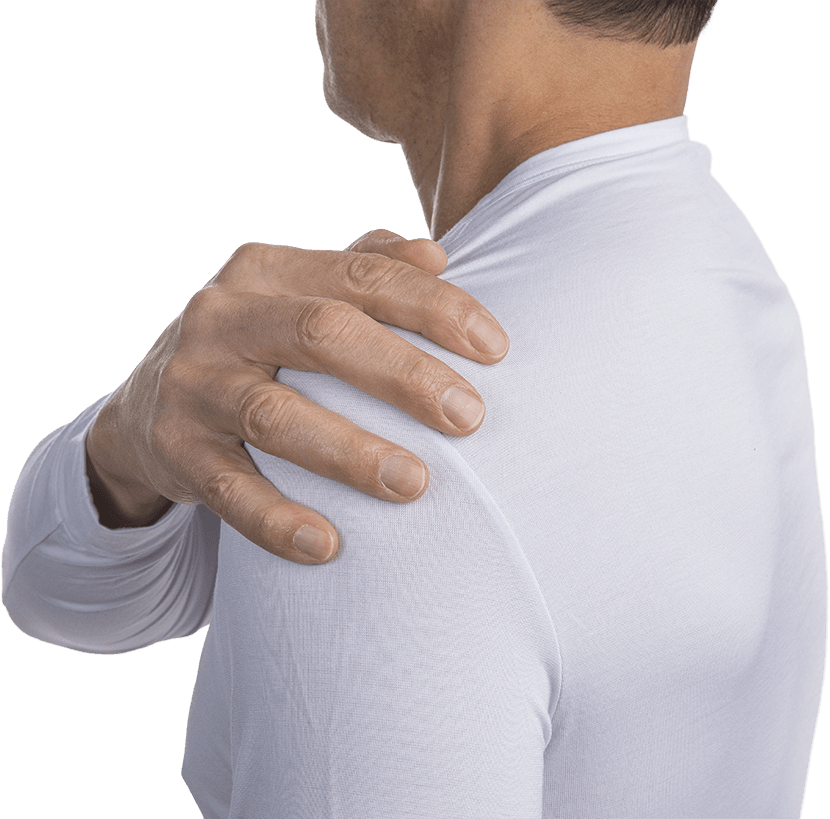
PRF: A Regenerative Alternative for Active Adults
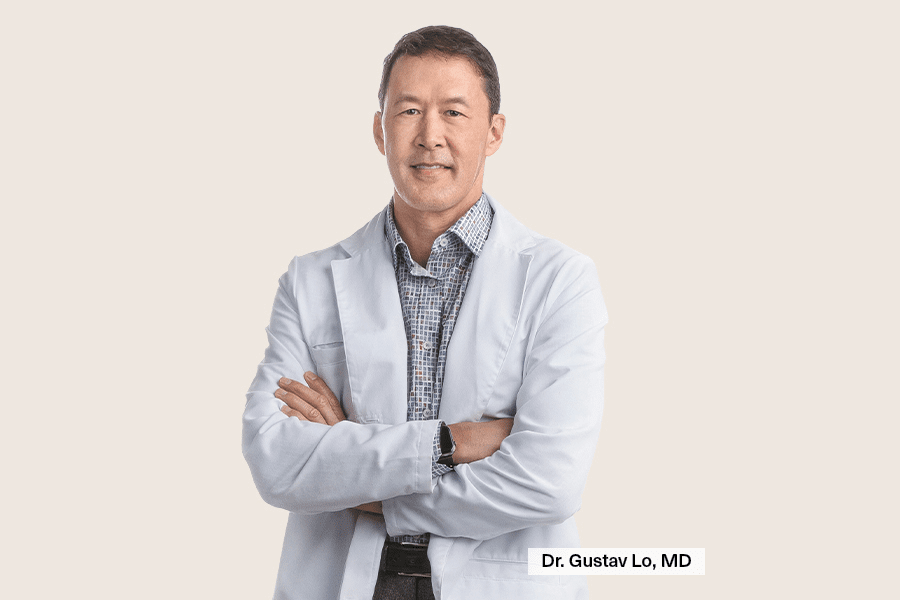
Dr. Gustav Lo, RegenCen founder and regenerative medicine expert, has treated thousands of arthritic joints and chronic tendon injuries using platelet therapy.
“PRF actually builds new cartilage in joints and repairs tendinitis with new tissue, which pills and steroids can’t do. It’s true tissue regeneration.” – Dr. Gustav Lo
Whether you’re struggling to get up without stiffness or wincing every time you grip a doorknob, PRF can help you stay active longer—from golf to pickleball to everyday movement.
What to Expect with PRF
- Quick, in-office procedure
- Minimal downtime
- Results that last up to a year or more
- Complimentary consultation to determine if PRF or PRP is right for you
PRF and PRP for Joints and Mobility
A Step-by-Step Guide
Unlike stem cell therapy, there is very little preparation needed for a PRF or PRP. You will start with a complimentary consultation to make sure regenerative platelet therapy is appropriate for your condition(s). PRF and PRP injections are not advised in joints that have been replaced but we have successfully treated joints that are “bone on bone” – a term often used by orthopedists to describe joints that don’t respond to surgical treatment for arthritis. Your health history will be reviewed, so bring a list of your current medical conditions and medications. And we encourage you to bring reports of any previous X-rays or MRIs to your appointment.
